Guide
Colocation Support: What You Can Outsource to On-Site Engineers
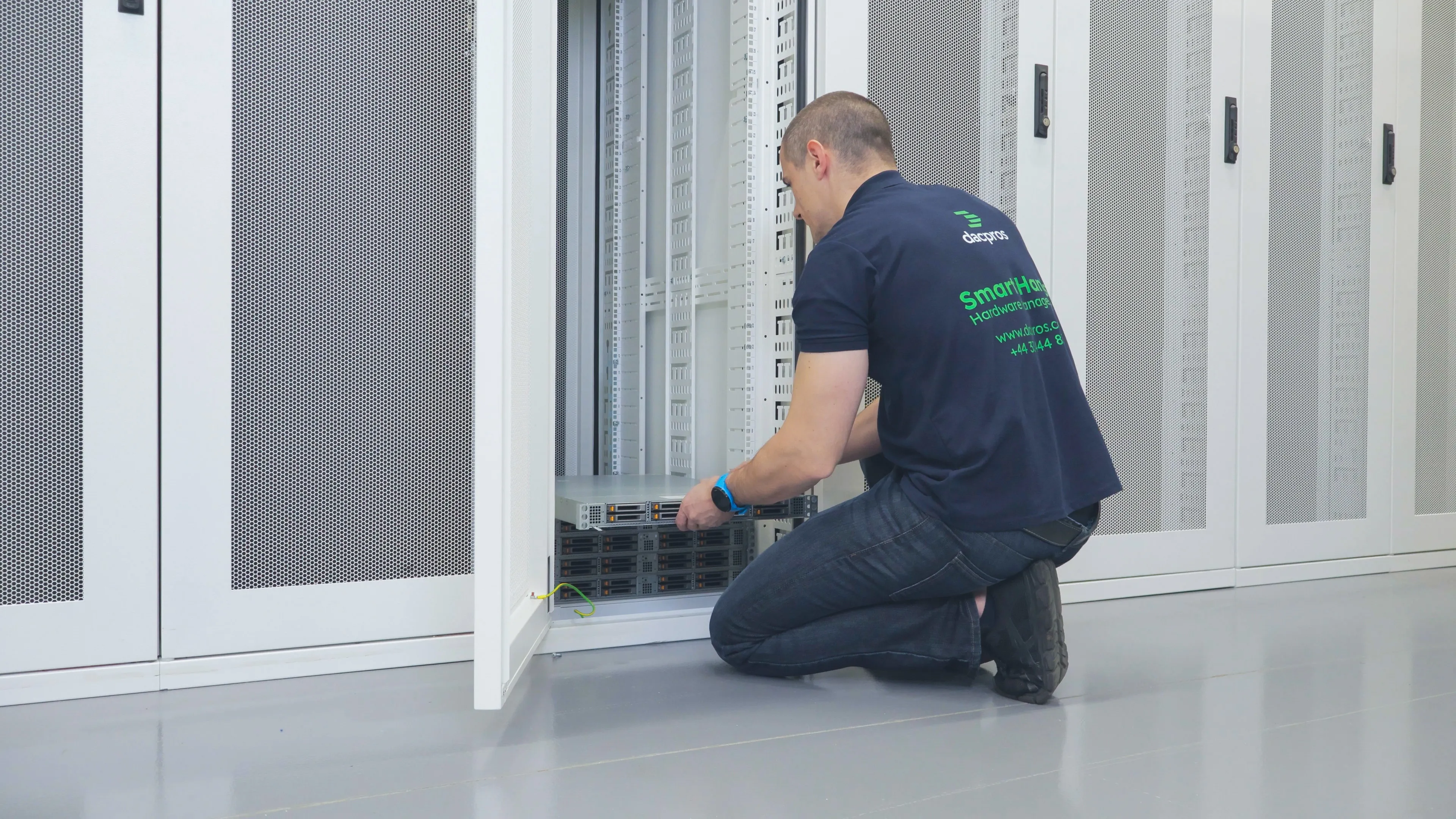
Which colocation tasks need an engineer on site, what stays with your team, and how call-outs and retainers work.
DACPROS Insights
Practical guides and field notes from our engineers — smart hands, builds, structured cabling, maintenance and clean, compliant decommissioning. Written for the people who own the racks at 2am.
Which colocation tasks need an engineer on site, what stays with your team, and how call-outs and retainers work.
What data centre services cover, who to hire for which job, and eight questions to ask any provider before you appoint one.

What happens after equipment leaves the rack, how handover to a partner works, and what to ask for and keep.

What to prepare before an engineer disconnects and unracks your servers, from the equipment list to the handover.
How removing IT equipment from racks differs from closing a whole data centre, and why it matters when you scope a job.

What IT decommissioning covers, what it does not, and where data destruction and recycling fit in.

How a white-label data centre job runs from brief to handover report, and what to settle before the engineer arrives.
How to set up overflow field engineering so a partner can take the excess, and what it cannot do for you.
A practical split between the on-site work to subcontract and the decisions to keep, plus what a good job brief contains.
What white-label field engineering covers, what it does not, and what to agree with a partner before the first job.
What to check on access, hardware, method, labelling, testing, documentation and escalation, and when the colocation operator is enough.
Ten things to have ready before an engineer reaches site, from rack elevations and power to port maps, acceptance tests and handover.
Who decides the steps is what separates the two. Examples of each, and how to choose the right one before booking a visit.
The edge data centre boom is moving outside London. What nLighten's £100m Bristol upgrade, BlackRock's Gravity Edge JV and 50 new SmartEdge sites mean for smart hands services.
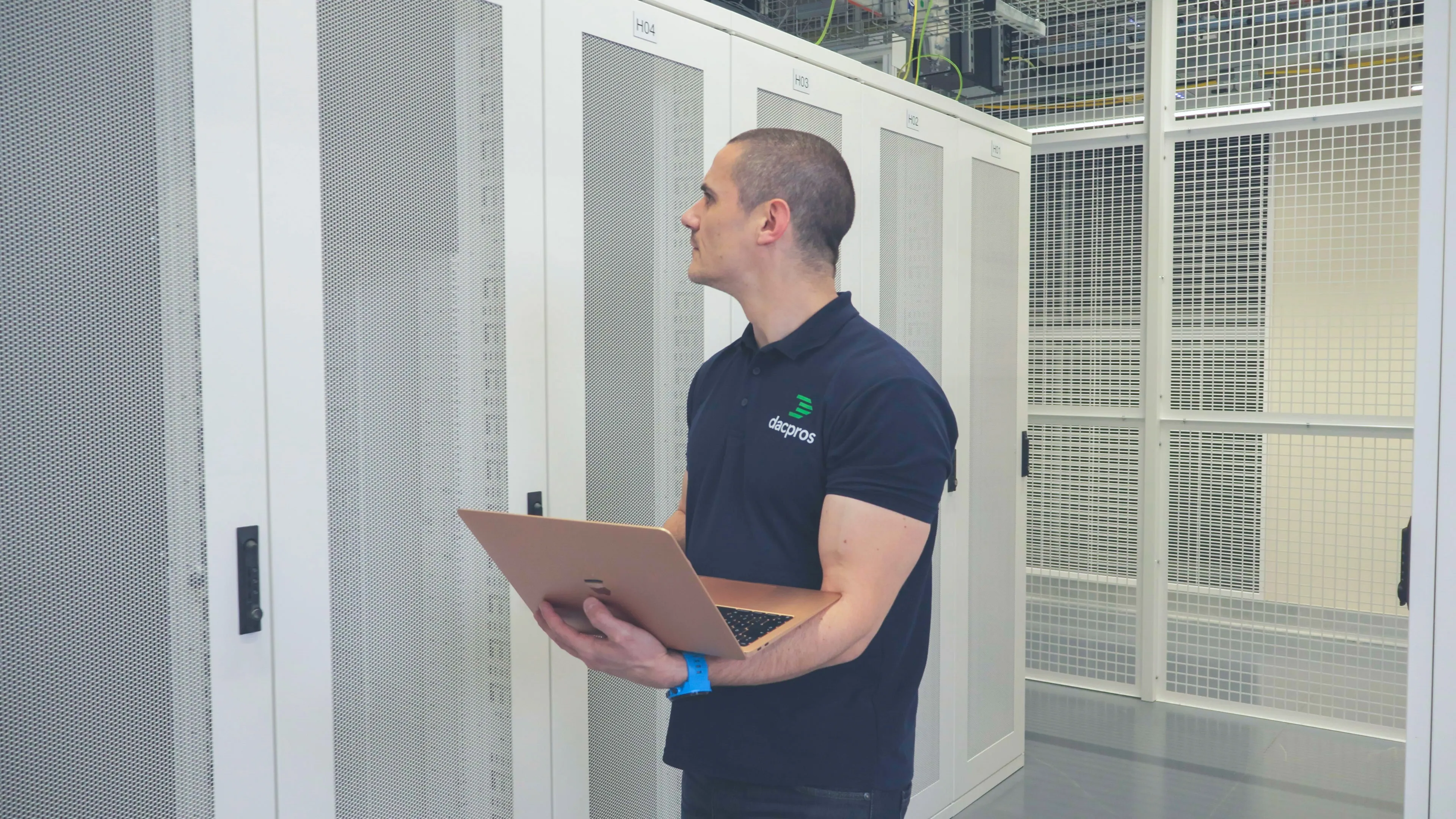
Step-by-step: remote checks, who to call, and how to get a certified engineer to your rack in under 2 hours — even at 2am.

Why neat cabling is an uptime decision, not a vanity one — the nine habits that keep a comms room serviceable for years.
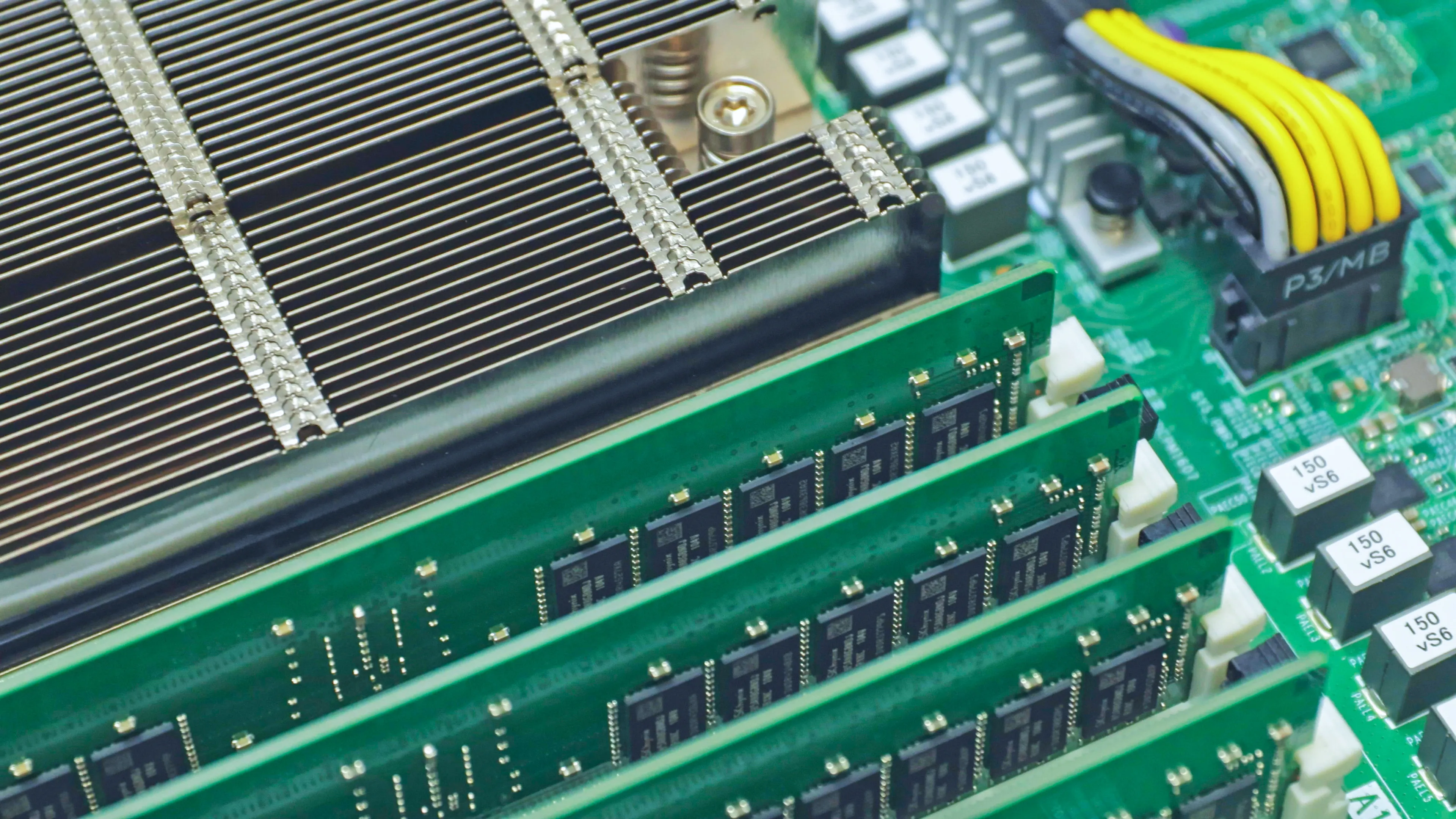
AI GPU clusters are pushing racks past 120kW — far beyond what most data centres were built for. What it means for cooling, power, and smart hands.
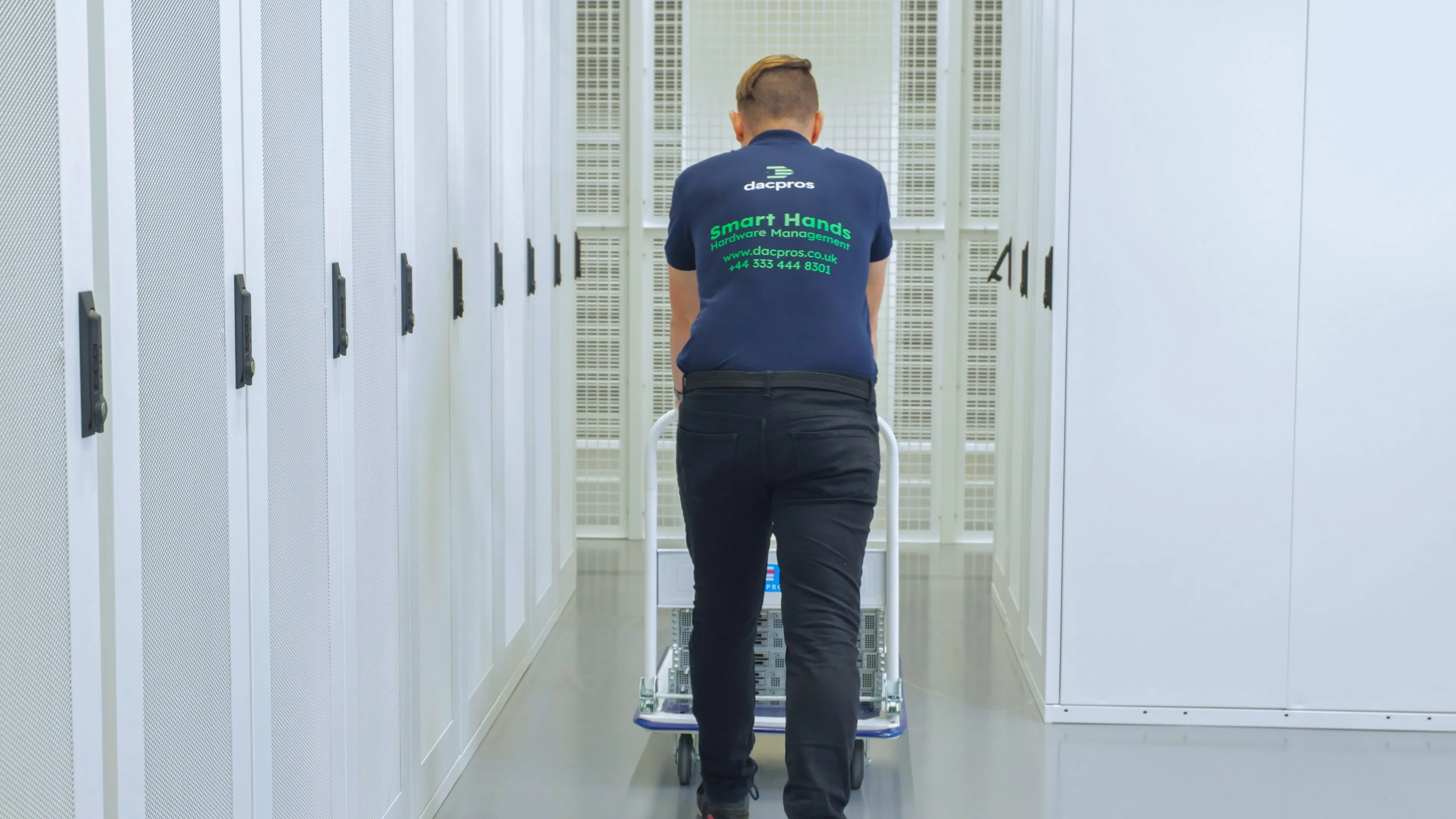
From asset audit to recycling — the ten steps that keep a decommission safe and auditable, and who handles each one.
Service quality varies widely between providers. Here are the eight SLA terms that separate good providers from those just showing up.

What smart hands actually covers, how it differs from remote hands, when to use it, and what a good provider does differently on the floor.
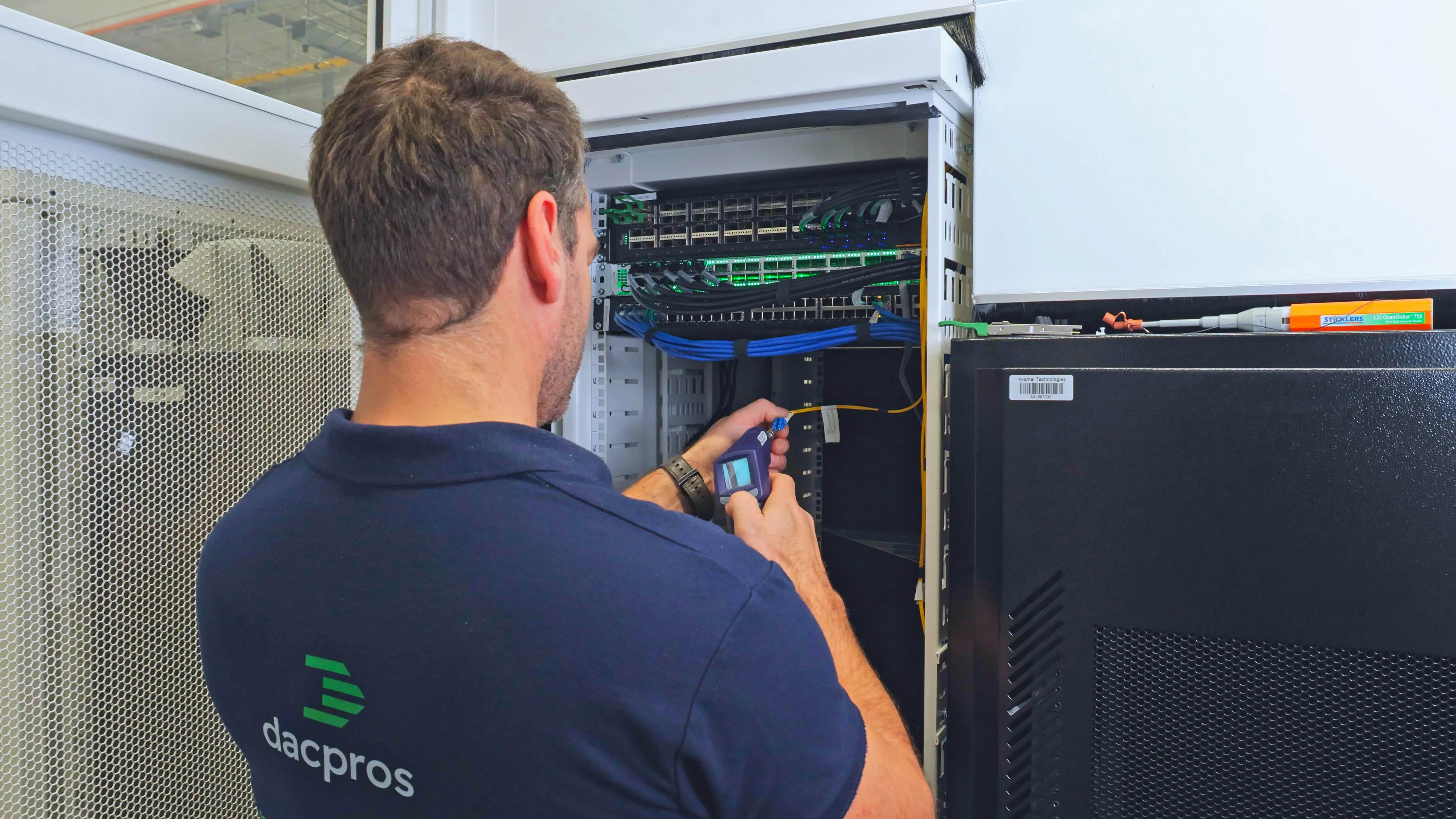
The planning phase is the cheapest time to make decisions. Here is what every enterprise IT team needs to define before the purchase order goes out.
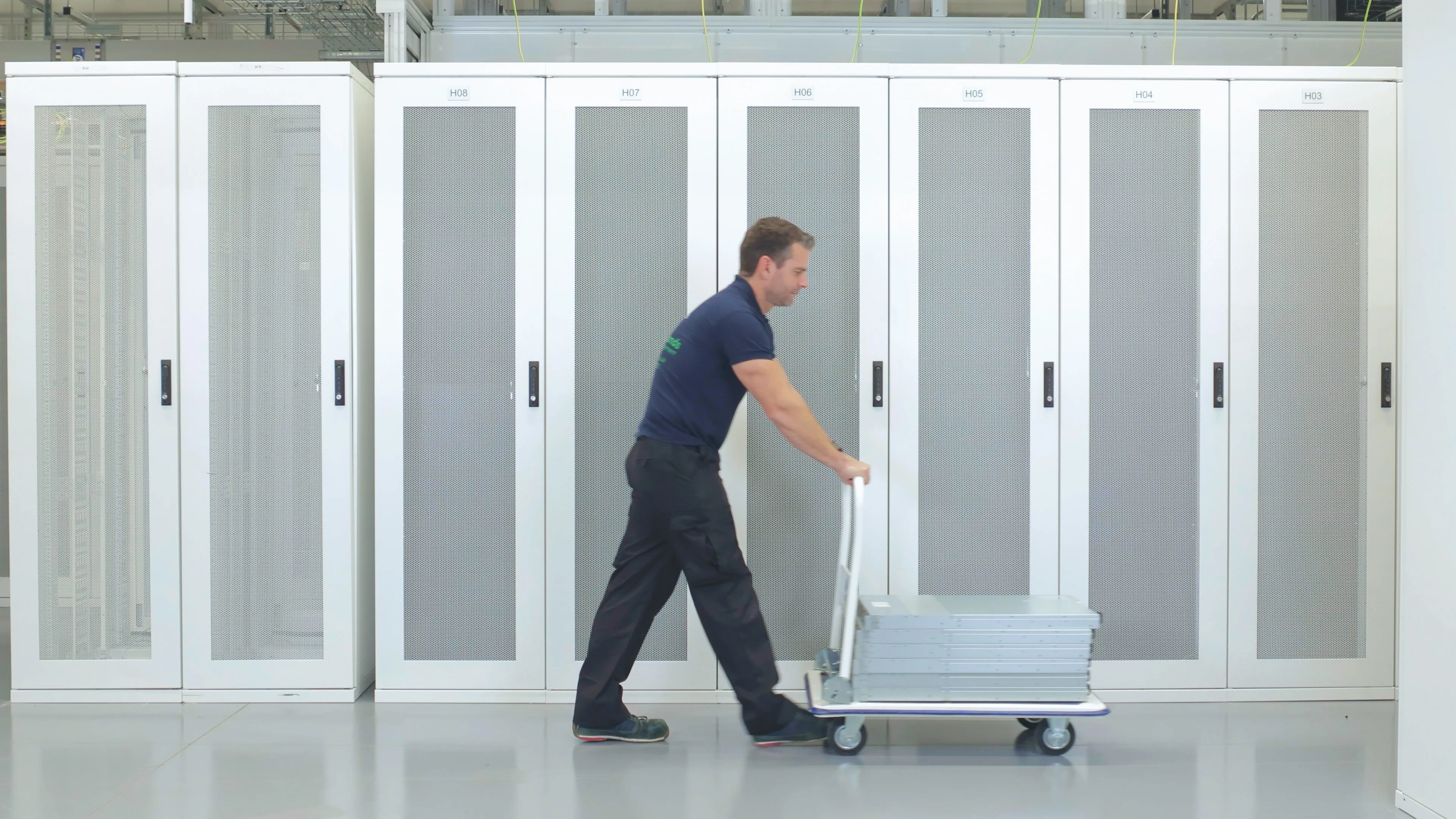
Six stages, one continuous process. How thinking about the full lifecycle reduces cost, downtime, and compliance risk.
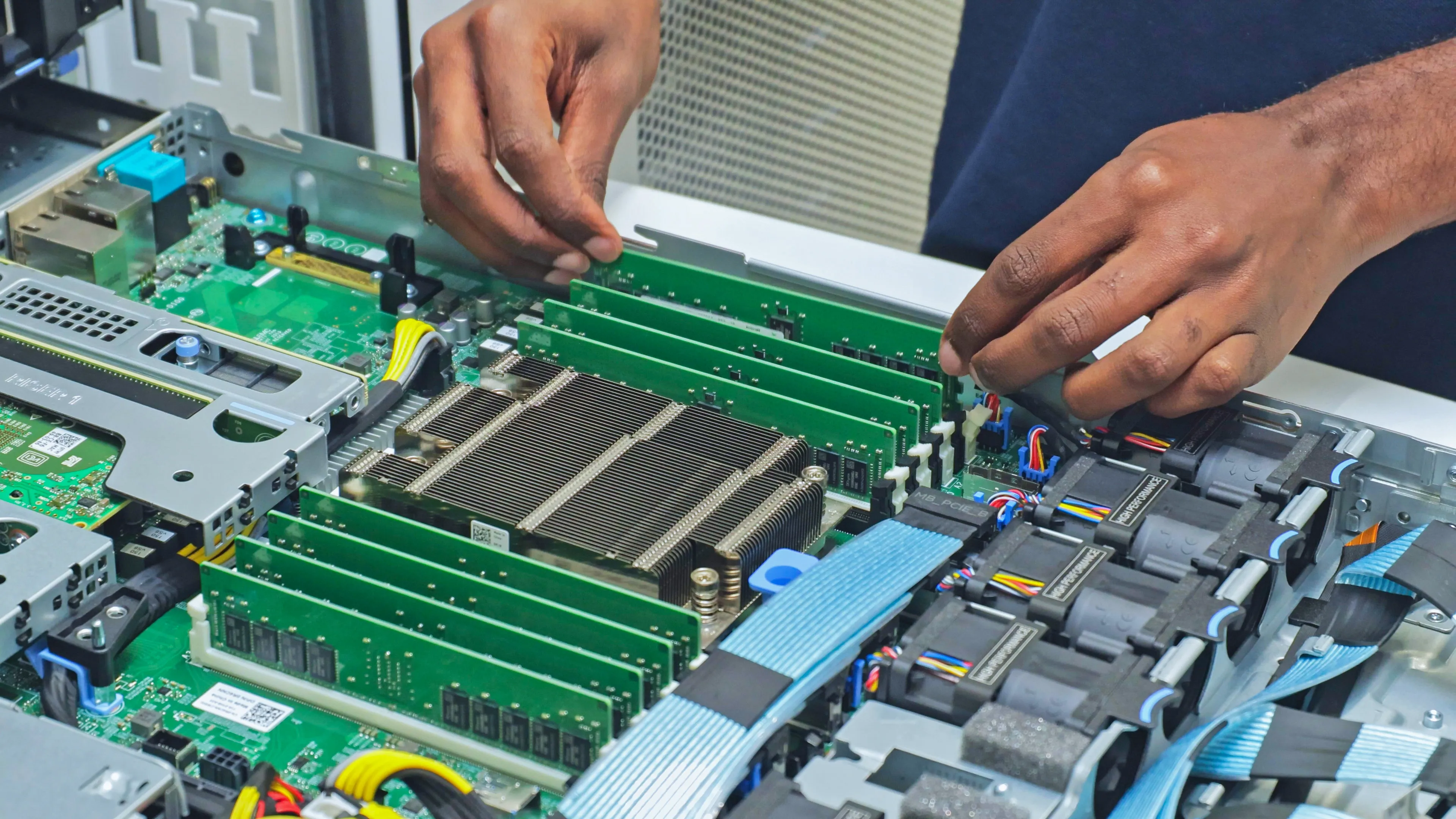
Human error causes 70% of data centre outages. When the engineer on site isn't qualified, the callout fee is the least of your costs.

AI density, edge deployments, ESG compliance, and a deepening skills shortage are reshaping the industry simultaneously. Here is what is driving it.
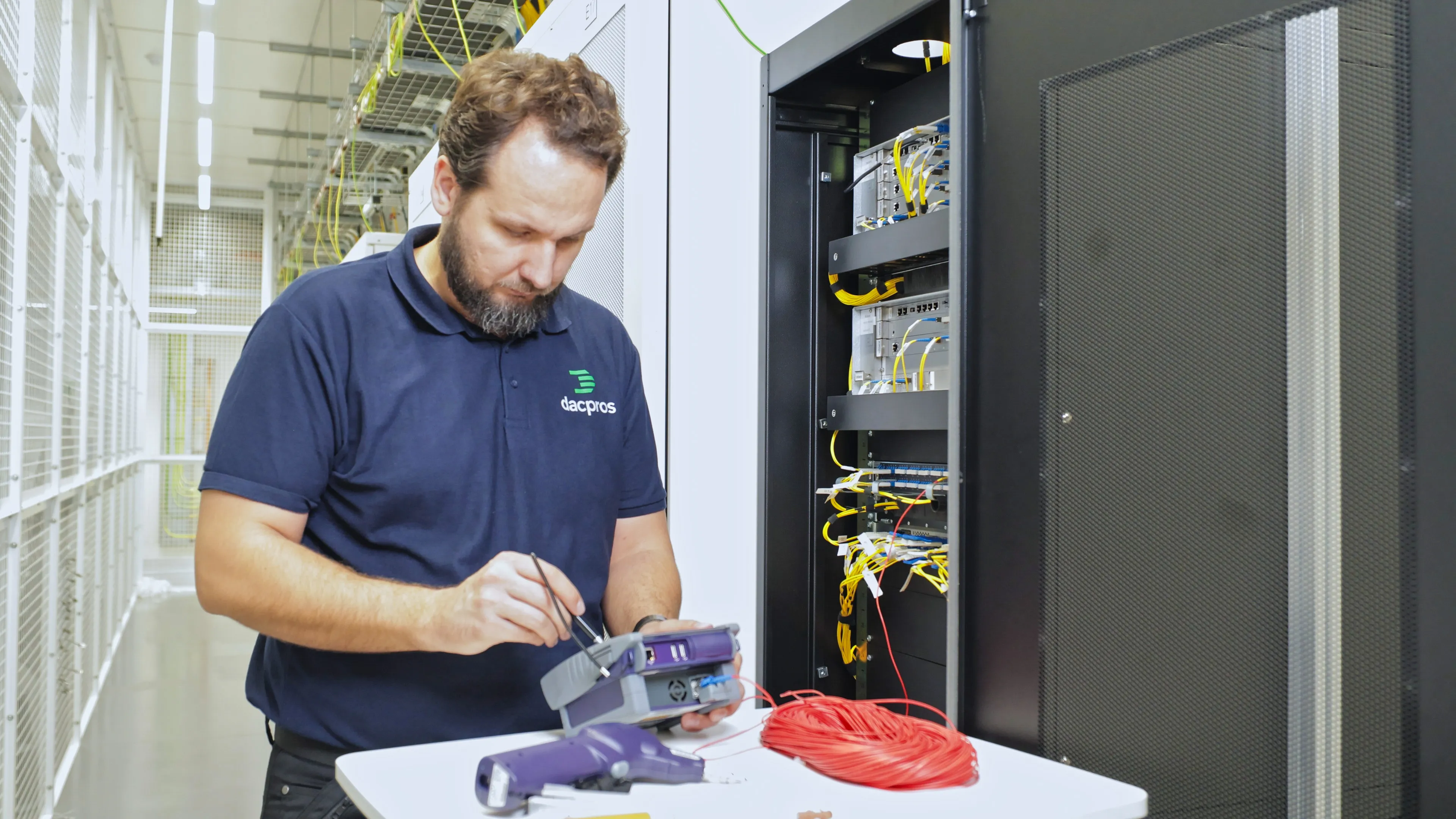
The average cost of hiring a new worker is 20% of annual salary. In high-turnover data centre roles, that cost compounds fast. Here is how to manage it.
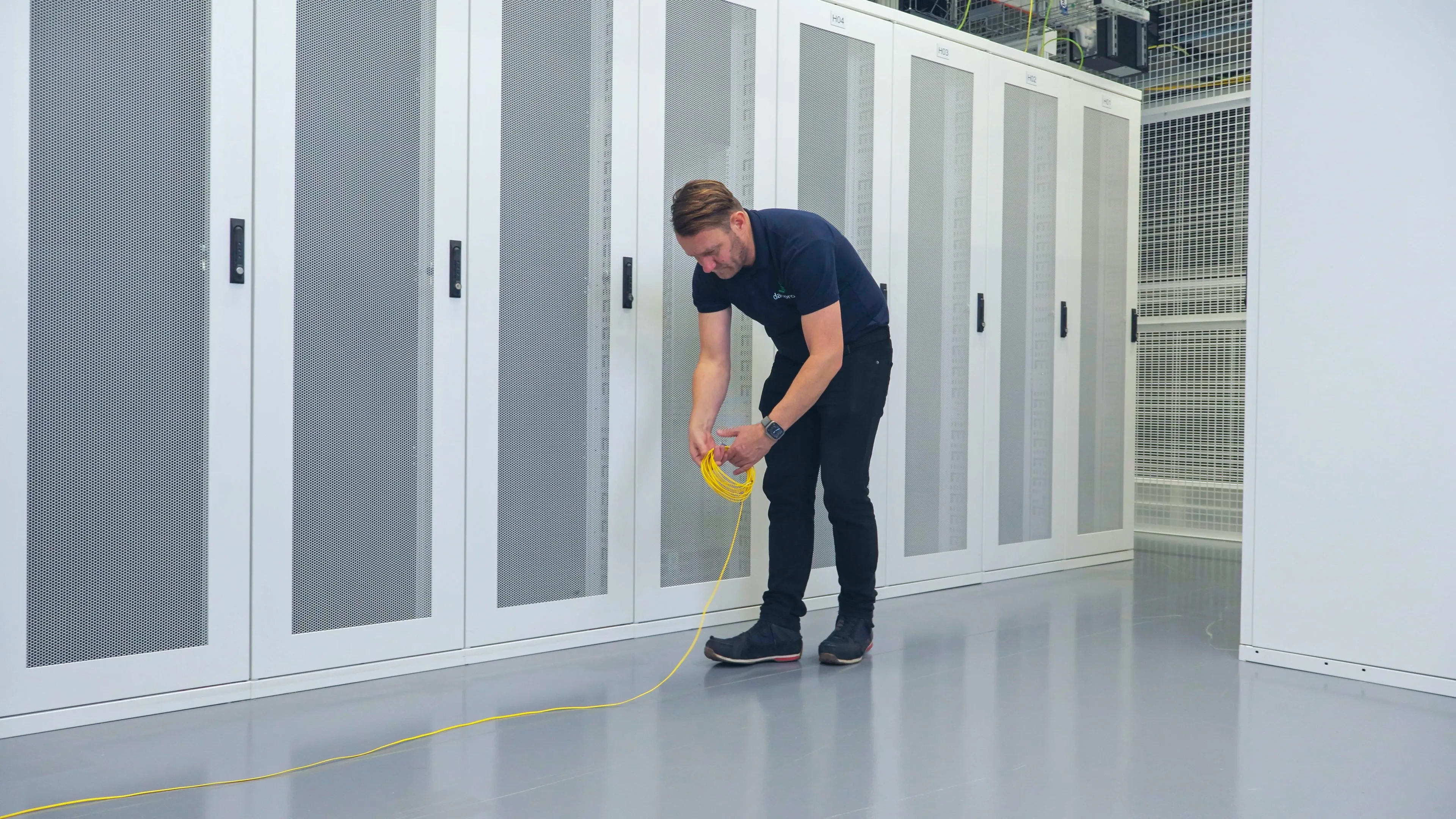
250 servers, 7 cabinets, a global CDN client, and a 5-day downtime window. DACPROS delivered in 3. Here is how.
60% of CTOs plan to buy new storage. Almost none of them budget for the engineering headcount that managing it requires.